A few years ago, choosing a college and a degree felt like a straight road. You picked a subject, attended classes, got your degree, and hoped for a good job at the end. But in 2026, that road looks very different. Students today are walking through a world where technology, changing job markets, and new learning methods are shaping education in powerful ways.
Imagine a student named Alex, finishing high school in California. Alex isn’t just thinking about “which college is best.” Instead, the questions are deeper and more practical. Should I learn online or on campus? Should I focus on skills or degrees? Will this education actually help me get a job? These are the kinds of questions many students across the USA are asking today.
To understand what’s really happening, let’s walk through the biggest education trends shaping the future, in a way that feels real and easy to follow.
Learning Is Becoming More Flexible and Personal
Alex’s older brother went to college in 2018. His schedule was fixed, his classes were mostly lectures, and learning followed a strict routine. But Alex’s experience is already different.
In 2026, education in the USA is becoming more flexible than ever before. Students are no longer limited to sitting in a classroom from morning to afternoon. Many colleges now offer hybrid learning, where part of the course happens online and part happens on campus. Some students even complete entire degrees online while working part-time or managing other responsibilities.
This shift didn’t happen overnight. It grew from the rise of digital platforms and the need for more accessible education. Today, students can watch recorded lectures, join live virtual classes, and access study materials anytime. This flexibility is especially helpful for students who have jobs, family responsibilities, or want to learn at their own pace.
But flexibility is not just about time. It is also about personalization. Education is slowly moving away from the “one-size-fits-all” model. Instead of every student learning the same way, schools are starting to adapt to individual learning styles. Some students understand better through videos, others through reading, and some through hands-on practice.
Technology plays a big role here. Many learning platforms now track how students study and suggest better ways to improve. For example, if a student struggles with math, the system might offer extra practice problems or simpler explanations. This makes learning feel more supportive and less frustrating.
For Alex, this means more control over how and when to study. Instead of feeling stuck in a system, students feel like the system is starting to work for them.
Skills Are Becoming More Important Than Degrees Alone
When Alex talks to friends and family about the future, one thing keeps coming up again and again. It is not just about getting a degree anymore. It is about having the right skills.
In 2026, employers in the USA are looking beyond traditional qualifications. A college degree is still valuable, but it is no longer the only thing that matters. Companies want people who can actually do the job, solve problems, and adapt quickly.
This has led to a big change in how students think about education. Instead of asking, “Which degree should I choose?” many are asking, “What skills will help me succeed?”
Short-term courses, certifications, and skill-based programs are becoming very popular. These programs focus on practical knowledge that students can use right away. Fields like coding, data analysis, digital marketing, healthcare support, and artificial intelligence are seeing huge growth.
Alex, for example, is interested in technology but is unsure about committing to a four-year computer science degree. Instead, Alex explores shorter courses in programming and cybersecurity. These courses can be completed in months, not years, and they often lead directly to job opportunities.
Another important change is the rise of “learning while earning.” Many students are choosing internships, apprenticeships, and part-time work alongside their studies. This helps them gain real-world experience before they even graduate. Employers value this experience because it shows that the student understands how things work outside the classroom.
Even colleges are adapting. Many universities now include skill-based training as part of their programs. They partner with companies, offer hands-on projects, and focus on real-world applications. This makes education more practical and job-focused.
For students like Alex, this trend brings both opportunity and responsibility. There are more ways to learn and grow, but students must also be more aware of what the job market needs. Choosing the right mix of education and skills can make a big difference in future success.
Technology Is Changing How Students Learn and Prepare for the Future
If Alex could visit a classroom from 20 years ago, it would feel very different. Chalkboards, textbooks, and lectures were the main tools. Today, technology is at the center of education, and in 2026, its role is even bigger.
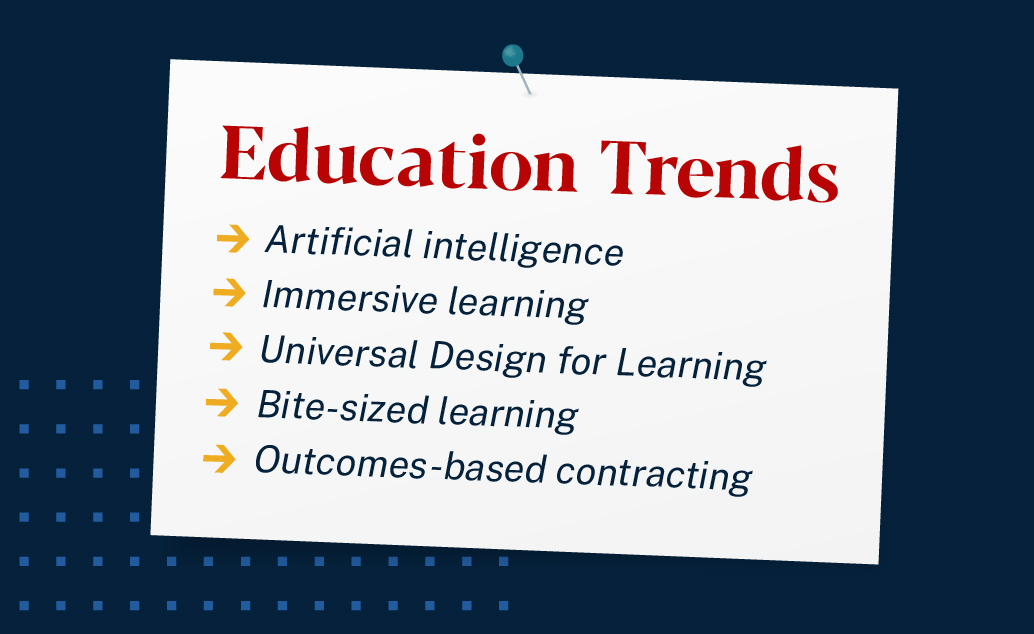
Artificial intelligence, virtual reality, and advanced learning platforms are transforming how students study and practice. These tools are not just making learning easier, they are making it more engaging and realistic.
For example, medical students can now use virtual reality to practice surgeries in a safe environment. Engineering students can design and test projects using simulation software. Even school students can take virtual field trips to places they might never visit in real life.
Artificial intelligence is also helping students learn smarter. AI-powered tools can answer questions, explain difficult concepts, and even help with writing and research. Instead of waiting for help, students can get instant support anytime they need it.
But technology is not just about learning subjects. It is also preparing students for future careers. Many jobs today require digital skills, and this trend will only grow stronger. Understanding how to use technology is no longer optional. It is a basic requirement.
At the same time, there is a growing focus on teaching students how to think, not just what to think. Skills like critical thinking, creativity, communication, and problem-solving are becoming essential. Technology can provide information, but students need to know how to use that information wisely.
Alex notices this shift in school assignments. Instead of just memorizing facts, projects now involve research, teamwork, and creative solutions. Students are encouraged to ask questions, explore ideas, and think independently.
There is also more awareness about balancing technology use. While digital tools are helpful, too much screen time can be overwhelming. Schools are slowly learning how to combine traditional learning with modern tools in a healthy way.
For students across the USA, this means growing up in an environment where education is constantly evolving. It is exciting, but it also requires adaptability. Students must be open to change and ready to learn new tools and methods as they appear.
As Alex moves closer to graduation, the path ahead is not as simple as it once was, but it is full of possibilities. Education in the USA in 2026 is no longer just about attending classes and earning a degree. It is about building a flexible learning journey, developing real-world skills, and using technology in smart ways.
Students who understand these trends have a strong advantage. They can make better decisions, avoid common mistakes, and prepare themselves for a future that is still taking shape. The journey may look different for everyone, but one thing is clear. Learning is no longer limited to classrooms, and success is no longer defined by a single path.