When Noah graduated from college in New Jersey, he believed his degree would be enough to land a good job. He had studied hard, completed his assignments, and even managed a decent GPA. But after a few weeks of applying, he started noticing something unexpected.
Many job descriptions were not just asking for a degree. They were asking for skills.
Some required technical knowledge, others mentioned communication, problem-solving, or even adaptability. It felt like employers were looking beyond formal education. Noah realized that having a degree opened the door, but skills decided whether you could walk through it.
This realization changed the way he approached his job search. Instead of only focusing on applications, he started asking a more important question. What skills do I need to actually get hired in 2026?
Digital and Technical Skills Are Becoming Essential
Noah’s first discovery was clear. Almost every industry now depends on technology in some way.
Even roles that were once considered non-technical now require basic digital knowledge. Whether it is using software tools, managing data, or working on online platforms, digital skills are no longer optional.
He started exploring areas like data analysis, basic coding, and digital tools used in businesses. At first, it felt overwhelming. There were so many options, and he wasn’t sure where to begin.
So he took a practical approach. Instead of trying to learn everything, he focused on skills that were widely used. Understanding spreadsheets, working with data, and learning how to interpret information became his starting point.
He also noticed how important it was to understand how technology works, even at a basic level. For example, knowing how websites function, how online systems store data, or how digital tools improve efficiency can make a candidate more valuable.
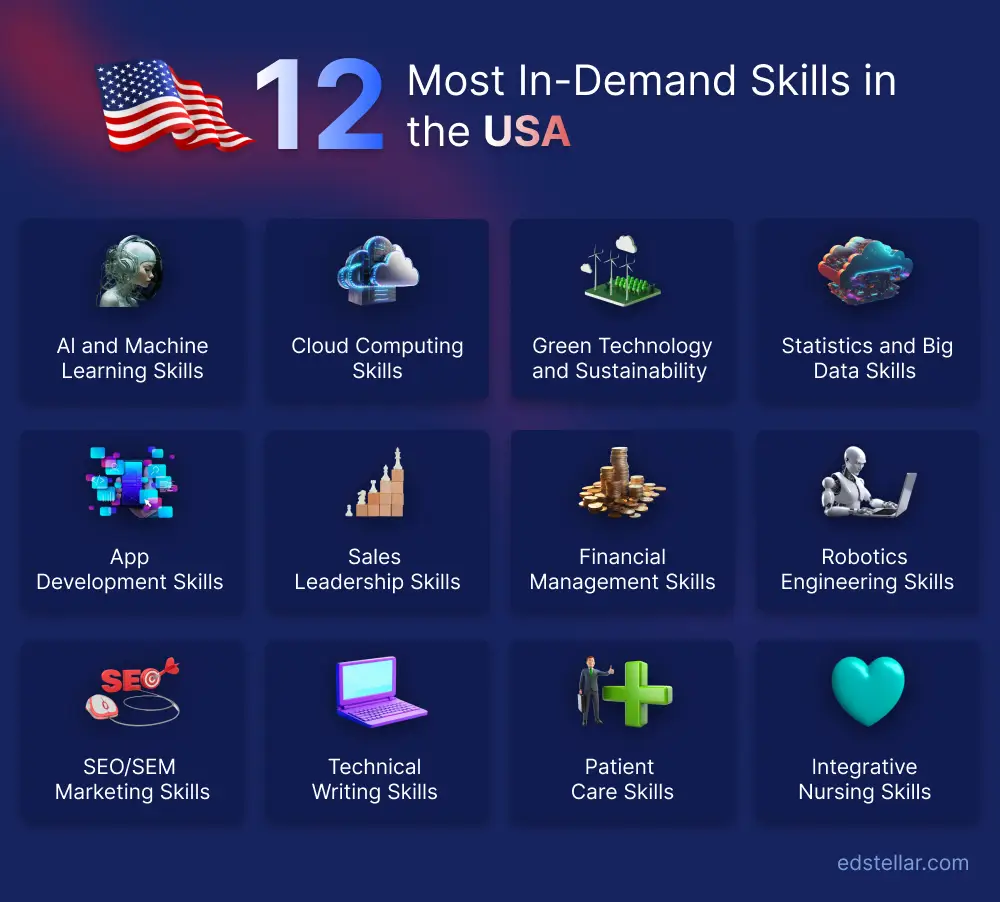
Fields like cybersecurity, cloud computing, and artificial intelligence are growing quickly, but Noah understood that not everyone needs to become an expert in these areas. Even having foundational knowledge can make a difference.
Another thing he learned was the importance of practical application. Employers are not just interested in what you know. They want to see what you can do. Building small projects, working on real examples, or solving simple problems can help demonstrate your skills.
As Noah improved his digital abilities, he started feeling more confident. He could now understand job requirements better and see where he fit.
Communication and People Skills Still Matter More Than Ever
While Noah focused on technical skills, he came across something surprising. Many job listings also emphasized communication, teamwork, and interpersonal skills.
At first, he underestimated this. He thought technical knowledge would be enough. But during his first few interviews, he realized how important communication really is.
Employers were not just evaluating his answers. They were observing how he explained his thoughts, how clearly he spoke, and how confidently he presented himself.
He remembered a group project from college where he had struggled to express his ideas. At that time, it didn’t seem like a big issue. Now, he saw how it could affect his professional life.
Noah began working on his communication skills. He practiced speaking clearly, organizing his thoughts, and listening carefully. He also learned how to adapt his communication style depending on the situation.
Teamwork was another key area. Most jobs in the USA involve working with others. Being able to collaborate, share ideas, and handle disagreements in a professional way is highly valued.
He also noticed the importance of emotional intelligence. Understanding how people think, responding calmly under pressure, and maintaining a positive attitude can make a big difference in the workplace.
What surprised Noah was how these “soft skills” often influenced hiring decisions as much as technical skills. A candidate who can communicate well and work with others is often preferred over someone who has strong technical knowledge but struggles with interaction.
Adaptability, Problem-Solving, and Continuous Learning
As Noah continued his journey, he started to see a bigger picture. The job market is not static. It is constantly changing.
New technologies are emerging, industries are evolving, and job roles are being redefined. In this environment, one skill stands out above all. The ability to adapt.
Noah realized that employers are looking for people who can learn quickly and adjust to change. It is not just about what you know today, but how well you can learn tomorrow.
Problem-solving became another important focus. Instead of memorizing information, he started practicing how to approach challenges. How do you break down a problem? How do you find solutions? How do you handle unexpected situations?
He also began taking short online courses to improve his knowledge. These courses were not long or complicated, but they helped him stay updated. More importantly, they showed employers that he was willing to learn.
Time management and self-discipline also became part of his routine. Managing multiple tasks, meeting deadlines, and staying organized are essential skills in any job.
Noah noticed that the most successful people were not those who knew everything, but those who kept learning and improving. They were open to feedback, willing to try new things, and not afraid of change.
This mindset made a big difference in how he approached his career. Instead of feeling pressured to be perfect, he focused on growth.
As Noah looked back at his journey, he realized that getting a job in the USA in 2026 is not just about education. It is about building a combination of skills that match the real world.
Digital knowledge helps you stay relevant. Communication skills help you connect with others. Adaptability and problem-solving help you grow in a changing environment.
There is no single skill that guarantees success. It is the mix that matters.
Noah didn’t become an expert overnight. But by focusing on the right areas and staying consistent, he slowly built a profile that made him stand out.
For students and job seekers today, the path may look different from the past. But one thing remains the same. Those who are willing to learn, adapt, and improve will always find opportunities.