When Kevin walked out of his college campus in Michigan with his degree in hand, he expected to feel confident. Instead, he felt a strange mix of excitement and uncertainty. For years, his path had been clear—classes, assignments, exams, internships. But now, for the first time, there was no structured plan waiting for him.
He had entered the real world, and the question in front of him was simple but overwhelming. Where do I begin?
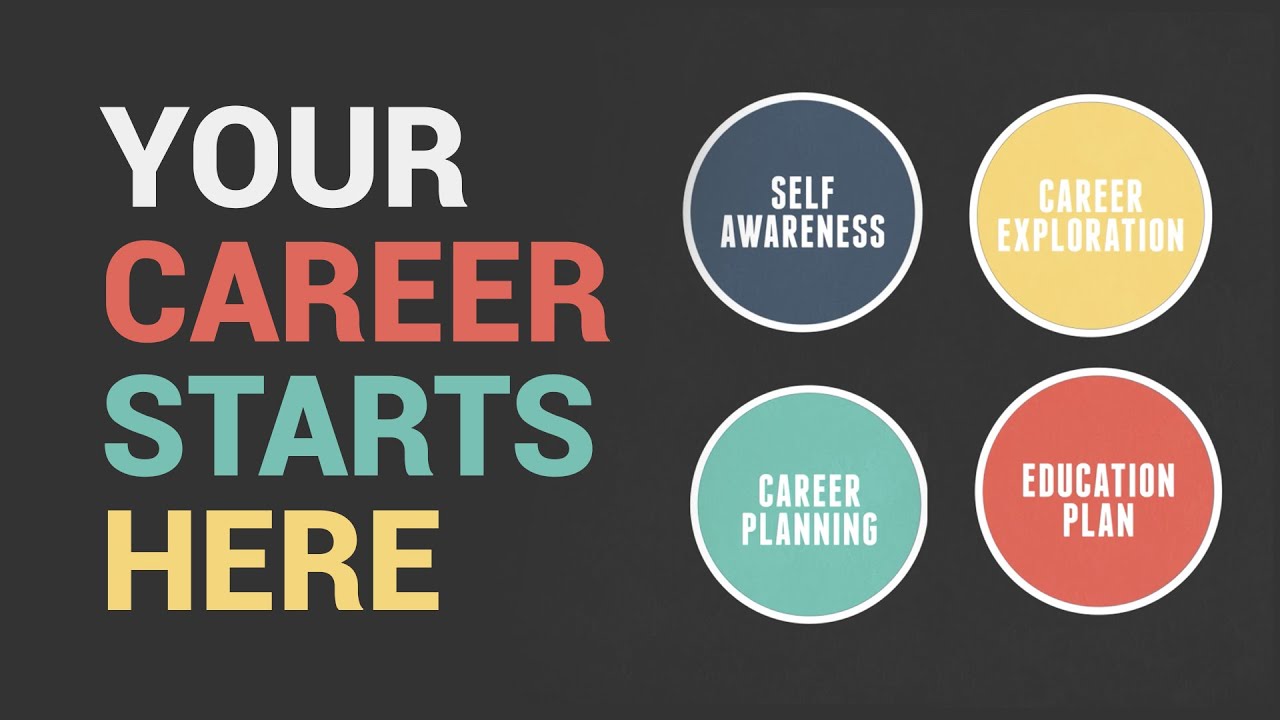
Kevin quickly realized that starting a career in the USA is not just about applying for jobs. It is a process. One that requires planning, patience, and a clear understanding of how the system works. Like many fresh graduates, he had to learn by doing, making mistakes, and adjusting along the way.
Understanding Your Direction Before the Job Hunt
Kevin’s first instinct was to open job portals and start applying everywhere. It felt productive, but after sending out dozens of applications with no response, he began to feel frustrated.
That’s when he paused and asked himself a basic question. What kind of job am I actually looking for?
It sounds simple, but many graduates skip this step. Kevin had a degree in business, but that could lead to marketing, finance, operations, or even sales. Without clarity, his applications were too general and lacked focus.
He decided to step back and reflect on his interests and strengths. During college, he had enjoyed working on group projects where he handled planning and coordination. He liked organizing tasks, meeting deadlines, and making sure things ran smoothly.
This helped him narrow his focus toward roles in operations and project coordination. Suddenly, his job search felt more targeted.
Kevin also started researching job descriptions carefully. Instead of just reading job titles, he looked at responsibilities, required skills, and expectations. This gave him a realistic understanding of what employers were looking for.
He noticed that many roles required experience, even for entry-level positions. At first, this seemed unfair. But then he realized that experience does not always mean full-time work. Internships, college projects, part-time jobs, and even volunteer work all count.
By the end of this phase, Kevin had something he didn’t have before. Direction. He knew where to focus his energy, and that made the next steps much easier.
Building a Strong Profile That Stands Out
Once Kevin had clarity, he turned his attention to his resume. He had created one during college, but now he understood that it needed to be more than just a list of courses and grades.
He started rewriting it with a new approach. Instead of simply stating what he had done, he focused on what he had achieved. For example, instead of saying “worked on a group project,” he described how he helped complete a project ahead of schedule or improved efficiency.
He also tailored his resume for each job. At first, this felt like extra work, but he soon noticed a difference. Applications that matched the job description more closely were more likely to get attention.
Along with his resume, Kevin worked on his online presence. He updated his professional profile, added details about his projects, and connected with classmates, professors, and professionals in his field.
Networking was something he had always heard about but never taken seriously. Now, he saw its value. Many job opportunities are not publicly advertised. They come through connections, referrals, and conversations.
Kevin began reaching out to alumni from his college. He asked simple questions about their careers, their companies, and their advice for someone starting out. Most people were surprisingly open to helping.
He also attended career fairs and virtual events. At first, it felt uncomfortable to talk to strangers, but with practice, he became more confident. He learned how to introduce himself clearly and explain what he was looking for.
Another important step was preparing for interviews. Kevin practiced answering common questions, but more importantly, he worked on telling his story. Employers were not just interested in his skills. They wanted to understand his thinking, his attitude, and how he approached challenges.
Gradually, Kevin’s profile started to improve. He was no longer just another applicant. He was someone with a clear direction, a strong presentation, and a growing network.
Taking Action, Staying Consistent, and Adapting
With everything in place, Kevin returned to his job search, but this time with a different mindset. Instead of applying randomly, he created a daily routine.
He set aside time each day to search for jobs, customize applications, and follow up on previous submissions. He also continued networking, attending events, and learning new skills.
Rejections still came, but they felt different now. Instead of taking them personally, Kevin used them as feedback. If he was not getting interview calls, he reviewed his resume. If he struggled in interviews, he practiced more.
He also stayed open to opportunities that were not perfect. His first job did not match his ideal role exactly, but it offered experience, exposure, and a chance to learn. He accepted it, understanding that a career is built step by step.
Kevin also invested time in skill development. He took short online courses to improve his knowledge in areas related to his field. This not only strengthened his profile but also gave him more confidence during interviews.
Another thing he learned was the importance of patience. The job search process can take time, especially for fresh graduates. It is easy to feel discouraged, but consistency makes a difference.
Over time, his efforts began to show results. More interview calls, better conversations, and eventually, a job offer that aligned with his goals.
Looking back, Kevin realized that starting a career in the USA is not about finding the perfect job immediately. It is about building a process that works.
Understanding your direction, creating a strong profile, and taking consistent action are the key steps. Each one builds on the other, creating momentum over time.
For fresh graduates, the transition from college to career can feel uncertain. But with the right approach, it becomes manageable and even exciting.
Kevin’s journey did not end with his first job. In many ways, it was just the beginning.