Blog

  • Best Short-Term Courses in the USA That Lead to High-Paying Jobs

    Best Short-Term Courses in the USA That Lead to High-Paying Jobs

    When Marcus lost his job during a company downsizing in Arizona, he felt stuck. He didn’t want to spend four more years in college, and he couldn’t afford to stay unemployed for long. He needed something practical, something fast, and something that would actually lead to a good income.

    Like many people in the USA today, Marcus started looking for short-term courses. Not random ones, but programs that could help him learn real skills and get back into the job market quickly.

    At first, he was skeptical. Could a course that lasts a few months really lead to a high-paying job? But as he started researching, talking to people, and exploring different options, he realized that short-term courses are no longer just “extra learning.” In many cases, they are direct pathways to well-paying careers.


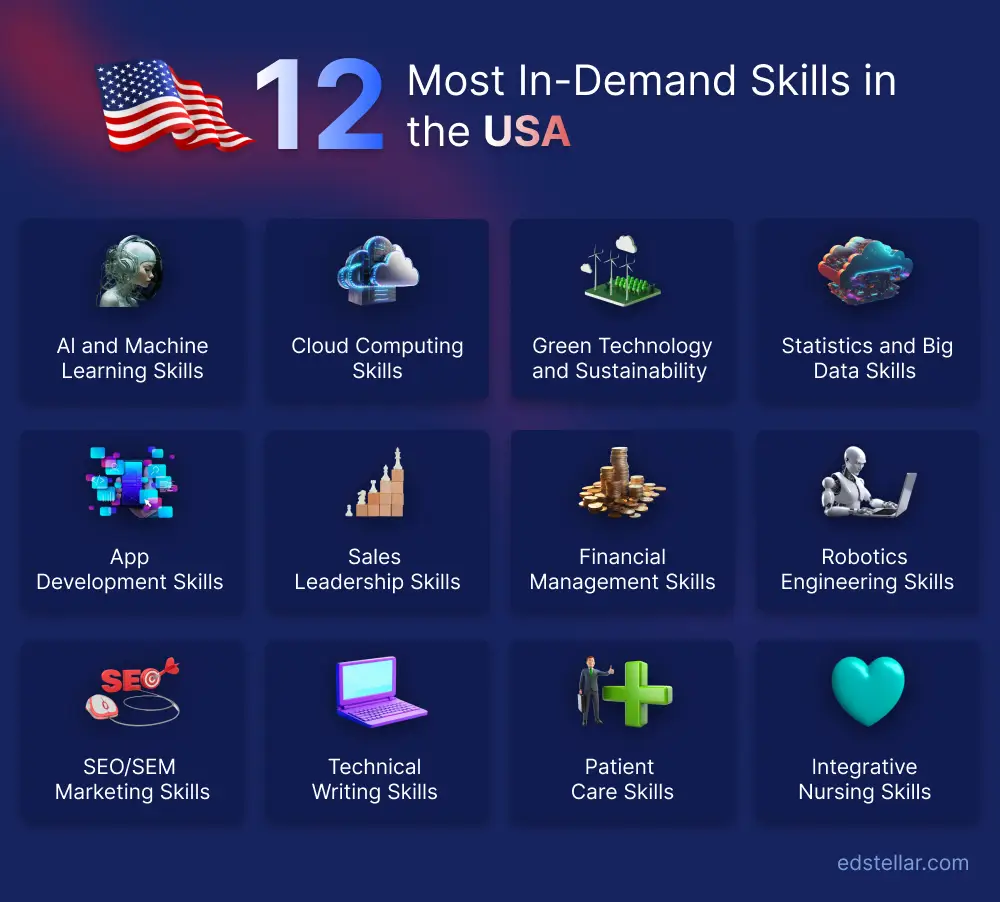
    Technology-Focused Courses Opening Fast Career Paths

    Marcus’s first discovery was how many short-term courses exist in the technology field. He had always thought tech jobs required a full degree, but that was not entirely true anymore.

    He came across coding bootcamps that promised to teach programming skills in a few months. At first, it sounded intense, and it was. These programs required focus, long hours, and consistent practice. But they also offered something valuable. Practical, job-ready skills.

    Students learned how to build websites, create applications, and understand software systems. More importantly, they worked on real projects that could be shown to employers.

    Marcus spoke to someone who had completed a bootcamp. Within six months, he had moved from a completely different field into a junior developer role. The starting salary was higher than what he had earned before.

    Data analytics was another area that caught Marcus’s attention. Short-term courses in this field focused on understanding data, using tools, and presenting insights. Businesses rely heavily on data, which means people with these skills are in demand.

    Cybersecurity was also growing quickly. With increasing digital threats, companies need professionals who can protect systems and information. Certification-based courses in cybersecurity can open doors to entry-level roles with strong pay.

    What Marcus realized was that these courses are not easy shortcuts. They are fast-paced and require commitment. But for those who are willing to put in the effort, they offer a quicker path into high-paying industries.


    Healthcare and Technical Certifications With Strong Demand

    While exploring options, Marcus also looked into healthcare-related courses. He had never considered this field before, but he quickly realized how many opportunities existed beyond becoming a doctor.

    Short-term programs for roles like medical assistants, pharmacy technicians, and certified nursing assistants are widely available in the USA. These programs usually take a few months to a year and focus on practical training.

    Healthcare jobs offer something that many people look for. Stability. The demand for healthcare workers remains strong, and these roles often come with steady income and growth opportunities.

    Marcus also learned about specialized technical certifications. For example, HVAC technicians, electricians, and other skilled professionals can complete training programs that lead directly to employment.

    These roles may not always get as much attention as office jobs, but they are essential. Homes, buildings, and systems need regular maintenance, and skilled workers are always needed.

    He met someone who had completed an HVAC certification course. Within a year, he was working full-time and earning a solid income. Over time, he planned to start his own service business.

    What stood out to Marcus was the balance between effort and reward. These courses required hands-on training and dedication, but they also led to clear job opportunities.


    Business, Digital, and Creative Courses for Flexible Careers

    Marcus didn’t stop at technical and healthcare options. He also explored courses related to business and digital skills.

    Digital marketing programs, for example, teach how to promote businesses online. These courses cover areas like social media management, search engine optimization, and online advertising. Many companies are looking for people who can help them grow their online presence.

    One advantage of these courses is flexibility. They can lead to both full-time jobs and freelance opportunities. People can work with companies, agencies, or even build their own client base.

    Marcus also came across courses in project management. These programs teach how to plan, organize, and manage work efficiently. Certifications in this field are respected and can lead to roles with good salaries, especially for those who gain experience.

    Creative fields also offer short-term learning options. Graphic design, video editing, and content creation are skills that businesses need regularly. With the right portfolio, individuals can find work in agencies or as independent professionals.

    Marcus noticed something interesting. Many of these courses focus on outcomes rather than theory. They are designed to help students start working as soon as possible.

    But he also understood that results depend on effort. Completing a course is just the beginning. Building experience, improving skills, and staying consistent are what lead to long-term success.


    As Marcus looked back at his journey, he realized how much his thinking had changed. He had started with uncertainty, unsure of what to do next. But by exploring his options and understanding the value of short-term courses, he found a path that worked for him.

    He eventually chose a technology-focused course that matched his interests and market demand. It wasn’t easy, but it gave him a clear direction and a chance to rebuild his career.

    In 2026, short-term courses in the USA are not just quick fixes. They are practical solutions for people who want to learn skills, enter the workforce faster, and build strong careers without spending years in traditional education.

    For those who are willing to learn, adapt, and put in the effort, these programs can open doors that once seemed out of reach.

  • Soft Skills vs Hard Skills: What Employers in the USA Really Want

    Soft Skills vs Hard Skills: What Employers in the USA Really Want

    When Lauren walked into her first job interview in Chicago, she felt prepared. She had spent weeks reviewing technical concepts, practicing questions, and going through everything she had learned during her degree. On paper, she was a strong candidate.

    The interview started well. She answered technical questions confidently and explained her projects clearly. But halfway through, the interviewer shifted the conversation. Instead of asking about knowledge, he asked about teamwork, handling pressure, and dealing with conflict.

    Lauren paused. She had not expected this.

    Later, when she didn’t get the job, she received feedback that surprised her. Her technical skills were good, but the company was looking for someone who could communicate better and work more effectively with a team.

    That experience changed how Lauren—and many others—understand the difference between soft skills and hard skills.


    Understanding the Difference Between Soft Skills and Hard Skills

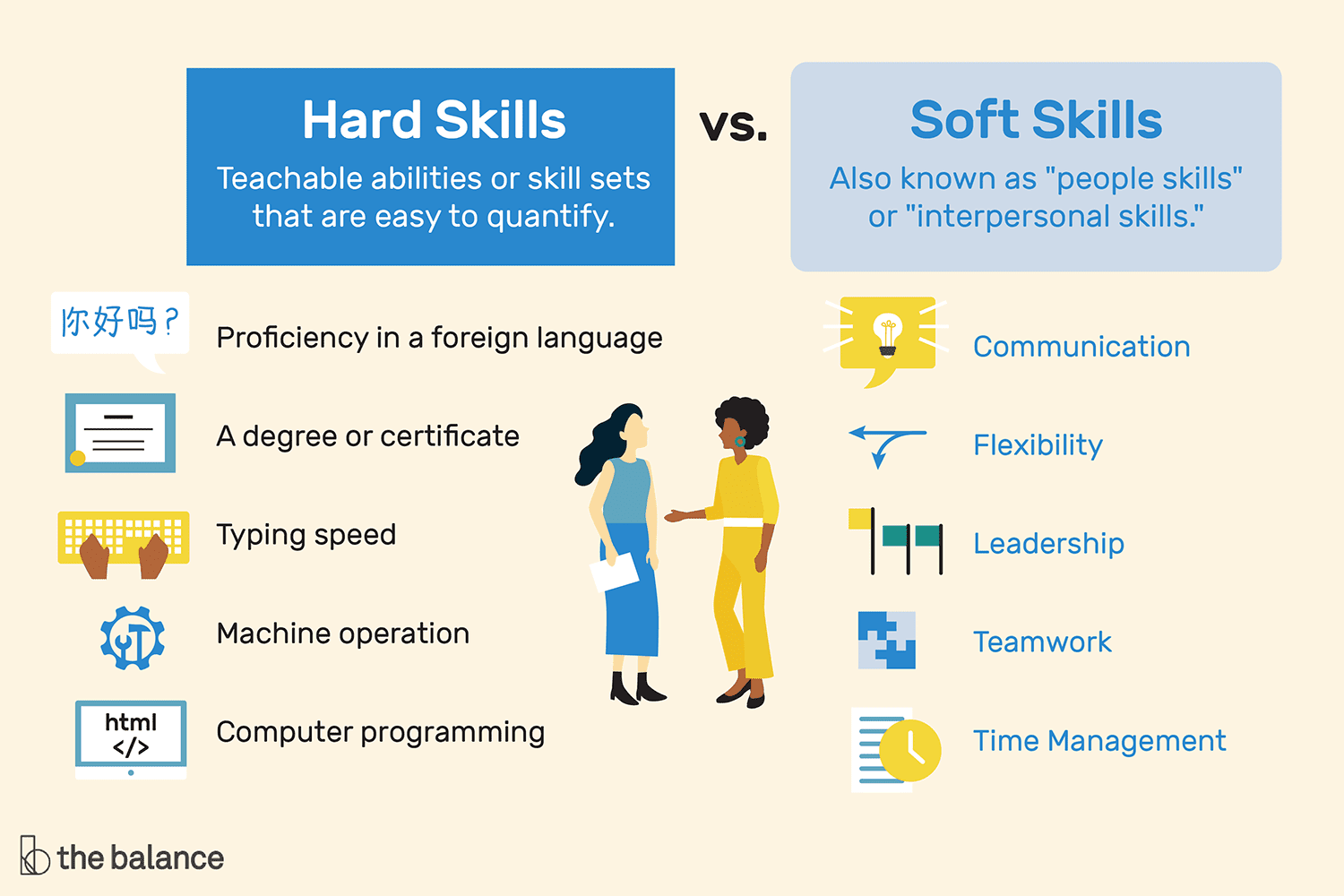
    At first, the distinction between soft skills and hard skills seems simple. Hard skills are the technical abilities you learn through education and training. These include things like coding, accounting, data analysis, graphic design, or operating specific tools and software.

    Soft skills, on the other hand, are about how you work. They include communication, teamwork, problem-solving, adaptability, and emotional intelligence.

    Lauren had spent most of her time building hard skills. She believed that mastering technical knowledge would be enough to secure a good job. But what she didn’t realize was that employers in the USA are looking for a combination of both.

    Hard skills are what get your resume noticed. They show that you have the knowledge required to perform a job. Without them, it is difficult to even get an interview.

    But soft skills are what often decide whether you get hired.

    When Lauren spoke to a career advisor later, she heard something that stayed with her. “Hard skills help you do the job. Soft skills help you succeed in the job.”

    This made sense. A person might be excellent at writing code, but if they cannot communicate with their team or understand project requirements, their effectiveness becomes limited.

    Similarly, someone in a business role might understand numbers and strategies, but without the ability to present ideas clearly or work with others, their impact reduces.

    Understanding this balance is the first step toward building a strong career.


    Why Employers in the USA Value Soft Skills More Than Ever

    Lauren began observing job descriptions more carefully. She noticed that almost every role, regardless of industry, mentioned qualities like communication, teamwork, and adaptability.

    At first, she thought these were just general statements. But as she spoke to professionals and attended interviews, she realized how seriously employers take them.

    Workplaces in the USA are becoming more collaborative. Projects often involve teams with different roles and backgrounds. In such environments, the ability to communicate clearly and work well with others becomes essential.

    Lauren also noticed how fast things were changing. New tools, new processes, and new challenges were part of everyday work. Employers wanted people who could adapt quickly and learn continuously.

    This is where soft skills play a major role.

    For example, problem-solving is not just about finding the right answer. It is about understanding the situation, thinking critically, and making decisions under pressure. Adaptability is not just about accepting change. It is about staying productive even when things are uncertain.

    Emotional intelligence is another skill that is gaining importance. Understanding how to respond to different situations, managing stress, and interacting professionally with colleagues all contribute to a positive work environment.

    Lauren realized that companies are not just hiring employees. They are building teams. And for teams to work well, soft skills are essential.

    She also noticed that in leadership roles, soft skills become even more important. Managers need to guide teams, handle conflicts, and motivate people. Technical knowledge alone is not enough at that level.

    This does not mean that hard skills are less important. It simply means that having technical knowledge without soft skills is not enough in today’s job market.


    Building the Right Balance for Long-Term Success

    After her experience, Lauren decided to approach her career differently. She did not stop improving her technical skills, but she also started working on her soft skills.

    She practiced communication by explaining concepts in simple ways. She worked on listening carefully instead of just waiting to speak. She also became more aware of how she responded in stressful situations.

    Group projects became an opportunity to improve teamwork. Instead of focusing only on completing tasks, she paid attention to how she interacted with others. She learned how to share ideas respectfully, handle disagreements, and support her teammates.

    Lauren also started preparing for behavioral interview questions. Instead of just memorizing answers, she reflected on real experiences. Times when she faced challenges, solved problems, or worked with others. This helped her speak more naturally and confidently.

    At the same time, she continued strengthening her hard skills. She worked on projects, learned new tools, and stayed updated with industry trends. This ensured that she remained technically strong.

    What she discovered over time was that soft skills and hard skills are not separate. They work together.

    For example, knowing how to analyze data is a hard skill. But presenting that data in a clear and convincing way requires communication skills. Writing code is a technical ability, but working with a team to build a product requires collaboration.

    The combination creates real value.

    Lauren also noticed that soft skills often grow with experience. The more you interact with people, handle challenges, and take responsibility, the more these skills develop. But being aware of them and actively working on them makes the process faster.

    Over time, her approach started to show results. Interviews felt more natural. Conversations flowed better. Employers responded more positively.

    She realized that success in the USA job market is not about choosing between soft skills and hard skills. It is about building both in a balanced way.


    Looking back, Lauren understood that her earlier mistake was focusing on only one side of the equation. She had strong technical knowledge, but she hadn’t paid enough attention to how she worked with others.

    In 2026, employers are looking for complete professionals. People who not only understand their work but can also communicate, adapt, and collaborate effectively.

    Hard skills may open the door, but soft skills help you walk through it and grow beyond it.

    For anyone starting their career, the lesson is simple. Do not ignore either side. Build your knowledge, but also build your ability to connect, communicate, and work with people.

    Because in the end, what employers really want is not just what you know, but how you use it.

  • Digital Skills That Can Help You Earn in Dollars from Anywhere

    Digital Skills That Can Help You Earn in Dollars from Anywhere

    When Riya bought her first laptop, she didn’t think it would change her life. It was meant for basic things—watching videos, browsing the internet, maybe learning something new in her free time. She had a regular routine, a simple plan, and no clear idea about working online.

    One evening, while scrolling through videos, she came across someone talking about earning in dollars by working remotely. At first, it sounded unrealistic. How could someone sitting at home work with clients in another country and get paid in a different currency?

    But curiosity stayed with her.

    Riya started exploring. She didn’t jump into anything immediately. Instead, she spent time understanding how people were actually doing this. What skills did they have? What kind of work were they offering? Was it something she could learn?

    Slowly, she realized something important. The internet had created a new kind of opportunity. One where location mattered less, and skills mattered more.


    Skills That Help You Work With Global Clients

    Riya’s first step was understanding what kind of work people were doing online. She noticed that many of them were offering services that businesses needed regularly.

    Writing was one of the first skills she explored. Content writing, blog writing, copywriting—these were not just about putting words together. Businesses needed content for websites, advertisements, emails, and social media. Good writing could help them attract customers and grow.

    Riya tried writing small pieces every day. At first, it felt difficult. But with practice, she improved. She also read a lot to understand tone, clarity, and structure.

    Then she discovered graphic design. Businesses needed logos, social media posts, and visual content. Tools were available online, and beginners could start with simple designs. It wasn’t just about creativity. It was about understanding what looks good and what communicates a message clearly.

    Another area she explored was video editing. With the rise of online content, videos had become very important. From YouTube channels to marketing campaigns, editing skills were in demand. Learning how to cut, arrange, and enhance videos opened up new possibilities.

    Riya noticed a pattern. These skills were not tied to a specific country. A business in the USA could hire someone from anywhere as long as the work was good.

    She also learned about web development and basic coding. While these required more time and effort, they offered strong earning potential. Websites, apps, and online platforms are always in demand, and people who can build them have global opportunities.

    What mattered most was not where she was, but what she could do.


    Marketing, Sales, and Online Business Skills

    As Riya went deeper, she realized that creating content or designs was just one part of the picture. Businesses also needed help reaching customers.

    This led her to digital marketing.

    Search engine optimization, social media management, and online advertising were areas she began to understand. At first, the terms sounded complicated. But once she broke them down, they made sense.

    Businesses want to be visible online. They want their websites to appear on search engines, their social media posts to reach more people, and their ads to bring results. People who understand how to do this are highly valued.

    Riya started experimenting with small projects. She created sample social media posts, studied how websites rank, and observed how online ads work. Slowly, she built confidence.

    She also noticed that communication skills played a big role here. Understanding client needs, explaining ideas, and presenting results were all part of the work.

    Another interesting area was freelancing platforms and online marketplaces. These platforms connect clients with skilled individuals from around the world. Riya created a profile and started small. Her first project was not high-paying, but it gave her experience.

    Over time, she improved her profile, built a portfolio, and increased her rates. She learned how to present her work, respond to clients, and deliver quality results.

    Some people also move beyond freelancing into building their own online businesses. Selling digital products, offering services, or creating content platforms can lead to long-term income. It requires effort and patience, but it offers independence.

    Riya understood that earning in dollars is not about a shortcut. It is about understanding how global business works and fitting into that system.


    Consistency, Learning, and Building a Long-Term Path

    At one point, Riya felt overwhelmed. There were so many skills to learn and so many people already working in these fields. She wondered if she was too late.

    But then she noticed something important.

    Most successful people she observed had one thing in common. They stayed consistent.

    They didn’t learn everything at once. They chose one skill, practiced it regularly, and improved step by step. They built small portfolios, took small projects, and gradually moved to bigger opportunities.

    Riya decided to follow the same approach. She focused on one skill at a time, gave herself time to learn, and didn’t rush the process.

    She also understood the importance of reliability. Clients value people who deliver work on time, communicate clearly, and maintain quality. These habits are as important as technical skills.

    Another lesson she learned was to keep updating herself. The digital world changes quickly. New tools, new trends, and new methods keep appearing. Staying updated helps maintain relevance.

    Time management also became important. Working online often means handling multiple tasks. Planning her day, setting priorities, and avoiding distractions helped her stay productive.

    Riya also faced challenges. There were slow periods, difficult clients, and moments of self-doubt. But each experience taught her something.

    Over time, she realized that this journey was not just about earning money. It was about building independence, learning continuously, and creating opportunities that were not limited by location.


    Today, Riya works with clients from different countries. She earns in dollars, but more importantly, she has built a system that works for her.

    Her journey did not start with a perfect plan. It started with curiosity, followed by effort and consistency.

    In 2026, digital skills are opening doors that did not exist before. People are no longer limited to local opportunities. With the right skills, it is possible to work with global clients and build a flexible career.

    The path is not instant, and it is not effortless. But for those willing to learn and adapt, it offers something valuable. Freedom to work from anywhere and the ability to grow without boundaries.

  • Top Skills to Learn in 2026 to Get a Job in the USA

    Top Skills to Learn in 2026 to Get a Job in the USA

    When Noah graduated from college in New Jersey, he believed his degree would be enough to land a good job. He had studied hard, completed his assignments, and even managed a decent GPA. But after a few weeks of applying, he started noticing something unexpected.

    Many job descriptions were not just asking for a degree. They were asking for skills.

    Some required technical knowledge, others mentioned communication, problem-solving, or even adaptability. It felt like employers were looking beyond formal education. Noah realized that having a degree opened the door, but skills decided whether you could walk through it.

    This realization changed the way he approached his job search. Instead of only focusing on applications, he started asking a more important question. What skills do I need to actually get hired in 2026?


    Digital and Technical Skills Are Becoming Essential

    Noah’s first discovery was clear. Almost every industry now depends on technology in some way.

    Even roles that were once considered non-technical now require basic digital knowledge. Whether it is using software tools, managing data, or working on online platforms, digital skills are no longer optional.

    He started exploring areas like data analysis, basic coding, and digital tools used in businesses. At first, it felt overwhelming. There were so many options, and he wasn’t sure where to begin.

    So he took a practical approach. Instead of trying to learn everything, he focused on skills that were widely used. Understanding spreadsheets, working with data, and learning how to interpret information became his starting point.

    He also noticed how important it was to understand how technology works, even at a basic level. For example, knowing how websites function, how online systems store data, or how digital tools improve efficiency can make a candidate more valuable.

    Fields like cybersecurity, cloud computing, and artificial intelligence are growing quickly, but Noah understood that not everyone needs to become an expert in these areas. Even having foundational knowledge can make a difference.

    Another thing he learned was the importance of practical application. Employers are not just interested in what you know. They want to see what you can do. Building small projects, working on real examples, or solving simple problems can help demonstrate your skills.

    As Noah improved his digital abilities, he started feeling more confident. He could now understand job requirements better and see where he fit.


    Communication and People Skills Still Matter More Than Ever

    While Noah focused on technical skills, he came across something surprising. Many job listings also emphasized communication, teamwork, and interpersonal skills.

    At first, he underestimated this. He thought technical knowledge would be enough. But during his first few interviews, he realized how important communication really is.

    Employers were not just evaluating his answers. They were observing how he explained his thoughts, how clearly he spoke, and how confidently he presented himself.

    He remembered a group project from college where he had struggled to express his ideas. At that time, it didn’t seem like a big issue. Now, he saw how it could affect his professional life.

    Noah began working on his communication skills. He practiced speaking clearly, organizing his thoughts, and listening carefully. He also learned how to adapt his communication style depending on the situation.

    Teamwork was another key area. Most jobs in the USA involve working with others. Being able to collaborate, share ideas, and handle disagreements in a professional way is highly valued.

    He also noticed the importance of emotional intelligence. Understanding how people think, responding calmly under pressure, and maintaining a positive attitude can make a big difference in the workplace.

    What surprised Noah was how these “soft skills” often influenced hiring decisions as much as technical skills. A candidate who can communicate well and work with others is often preferred over someone who has strong technical knowledge but struggles with interaction.


    Adaptability, Problem-Solving, and Continuous Learning

    As Noah continued his journey, he started to see a bigger picture. The job market is not static. It is constantly changing.

    New technologies are emerging, industries are evolving, and job roles are being redefined. In this environment, one skill stands out above all. The ability to adapt.

    Noah realized that employers are looking for people who can learn quickly and adjust to change. It is not just about what you know today, but how well you can learn tomorrow.

    Problem-solving became another important focus. Instead of memorizing information, he started practicing how to approach challenges. How do you break down a problem? How do you find solutions? How do you handle unexpected situations?

    He also began taking short online courses to improve his knowledge. These courses were not long or complicated, but they helped him stay updated. More importantly, they showed employers that he was willing to learn.

    Time management and self-discipline also became part of his routine. Managing multiple tasks, meeting deadlines, and staying organized are essential skills in any job.

    Noah noticed that the most successful people were not those who knew everything, but those who kept learning and improving. They were open to feedback, willing to try new things, and not afraid of change.

    This mindset made a big difference in how he approached his career. Instead of feeling pressured to be perfect, he focused on growth.


    As Noah looked back at his journey, he realized that getting a job in the USA in 2026 is not just about education. It is about building a combination of skills that match the real world.

    Digital knowledge helps you stay relevant. Communication skills help you connect with others. Adaptability and problem-solving help you grow in a changing environment.

    There is no single skill that guarantees success. It is the mix that matters.

    Noah didn’t become an expert overnight. But by focusing on the right areas and staying consistent, he slowly built a profile that made him stand out.

    For students and job seekers today, the path may look different from the past. But one thing remains the same. Those who are willing to learn, adapt, and improve will always find opportunities.

  • Freelancing vs Full-Time : Which is Better in 2026?

    Freelancing vs Full-Time : Which is Better in 2026?

    When Tyler finished his degree in California, he thought his next step was obvious. Get a full-time job, build a career, and move forward step by step. That’s what most people around him were doing.

    But then something unexpected happened.

    One of his friends, who had studied design, decided not to apply for jobs at all. Instead, she started freelancing. She worked from home, chose her own clients, and seemed to have a flexible lifestyle that Tyler found both interesting and confusing.

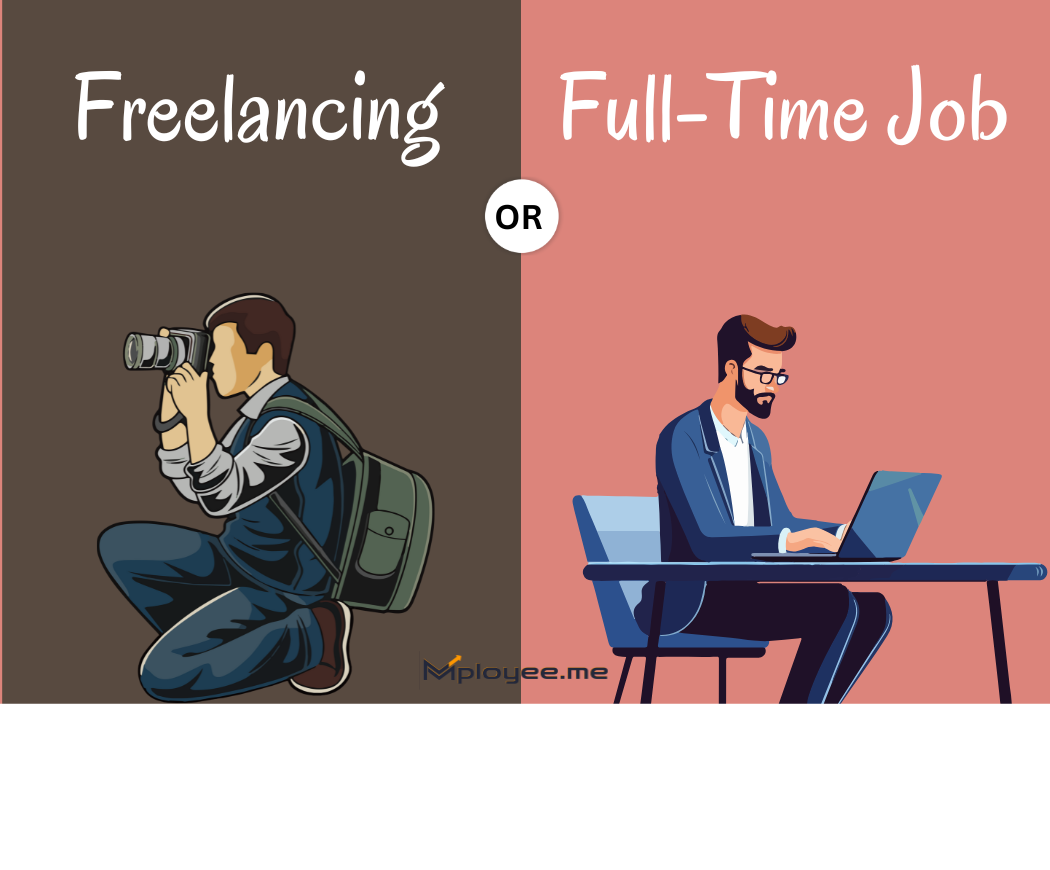
    This made him pause. For the first time, he started asking a question that many young professionals in the USA are asking in 2026. Is a full-time job really the best path, or is freelancing a better option?

    The answer, as Tyler soon discovered, is not simple. Both paths offer opportunities, but they come with very different experiences.


    Stability vs Freedom: Two Very Different Lifestyles

    Tyler’s first interview was with a mid-sized company offering a full-time role. The job came with a fixed salary, health insurance, paid leave, and a clear work schedule. It felt stable. Predictable. Safe.

    He knew what he would earn every month. He knew when he would work and when he would rest. There was a structure to everything.

    This is one of the biggest advantages of full-time jobs in the USA. They offer stability. For many people, especially those just starting out, this sense of security is important. It allows them to plan their finances, manage expenses, and build a steady career path.

    On the other hand, freelancing looked very different.

    His designer friend didn’t have a fixed schedule. Some days she worked long hours, and other days she took time off. She chose her clients, negotiated her rates, and worked from wherever she felt comfortable.

    This freedom is what attracts many people to freelancing. You are not tied to a single employer. You can explore different types of work, build your own style, and control how you spend your time.

    But Tyler also noticed the other side. There were months when his friend earned a lot, and months when work was slow. There was no guaranteed income, no paid leave, and no company benefits.

    Freelancing offers freedom, but it also requires responsibility. You are not just doing the work. You are also finding clients, managing finances, and handling uncertainty.

    As Tyler compared the two, he realized that this choice is not just about money. It is about lifestyle. Some people prefer structure and stability, while others value independence and flexibility.


    Income Potential and Career Growth

    At first, Tyler assumed that full-time jobs always paid more. But as he explored further, he found that the reality is more complex.

    In a full-time role, income is usually steady but grows gradually. You may start with a certain salary and receive raises over time based on performance and experience. Promotions can increase your income, but they often take time.

    The advantage here is predictability. You know what to expect, and your financial growth follows a clear path.

    Freelancing, however, works differently.

    There is no fixed limit to how much you can earn. Your income depends on your skills, your clients, and how much work you take on. Some freelancers earn more than full-time employees, especially if they build a strong reputation.

    Tyler’s friend explained it in a simple way. “In freelancing, you control your income, but you also control your risk.”

    This made sense to him. A freelancer can increase earnings by taking more projects, raising rates, or expanding services. But there is also the challenge of finding consistent work.

    Career growth also looks different in both paths.

    In a full-time job, growth often follows a structured path. You start as a junior employee, gain experience, and move into higher roles over time. Companies may provide training, mentorship, and opportunities to learn from experienced professionals.

    Freelancers, on the other hand, build their careers independently. They learn by doing, by experimenting, and by working with different clients. There is no fixed ladder, but there is also no limit to how far they can go.

    Tyler realized that both paths offer growth, but in different ways. One is structured and guided, while the other is flexible and self-driven.


    Skills, Discipline, and Long-Term Direction

    As Tyler thought more deeply about his decision, he started focusing on something more important than income or lifestyle. Skills.

    In a full-time job, skills are often developed through daily work and team collaboration. You learn how to work in an organization, communicate with colleagues, and handle responsibilities over time. There is support, feedback, and a clear environment for learning.

    This can be especially helpful for fresh graduates who are still building confidence. Being part of a team allows them to observe, learn, and improve in a structured way.

    Freelancing, however, demands a different kind of discipline.

    There is no manager checking your progress. No fixed deadlines unless you set them. You have to manage your time, stay motivated, and deliver quality work consistently.

    Tyler realized that freelancers need strong self-management skills. They must handle not only their work but also client communication, payments, and planning.

    At the same time, freelancing encourages adaptability. Working with different clients exposes you to different industries, challenges, and expectations. This can help build a wide range of skills in a short time.

    Long-term direction is another important factor.

    Full-time jobs often provide a clearer long-term path. You can see where you might be in five or ten years within a company or industry. This can be reassuring for those who prefer planning and stability.

    Freelancing is more open-ended. Some people use it as a long-term career, building their own brand or business. Others use it as a stepping stone before moving into full-time roles.

    Tyler also noticed a growing trend in 2026. Many professionals are not choosing just one path. They are combining both.

    Some work full-time while freelancing on the side. Others start with a job, build skills, and then move into freelancing later. This hybrid approach offers both stability and flexibility.


    As Tyler sat with all this information, he realized that there was no single right answer. Freelancing and full-time jobs are not competing paths. They are different options that suit different people at different stages of life.

    He chose to start with a full-time job. It gave him the structure, experience, and confidence he needed. But he also kept the idea of freelancing in mind for the future.

    In 2026, the world of work in the USA is more flexible than ever before. Careers are no longer limited to one path. People are exploring, experimenting, and building journeys that fit their goals.

    The real question is not which option is better. It is which option is better for you right now.

  • How to Start Your Career: A Step-by-Step Guide for Fresh Graduates

    How to Start Your Career: A Step-by-Step Guide for Fresh Graduates

    When Kevin walked out of his college campus in Michigan with his degree in hand, he expected to feel confident. Instead, he felt a strange mix of excitement and uncertainty. For years, his path had been clear—classes, assignments, exams, internships. But now, for the first time, there was no structured plan waiting for him.

    He had entered the real world, and the question in front of him was simple but overwhelming. Where do I begin?

    Kevin quickly realized that starting a career in the USA is not just about applying for jobs. It is a process. One that requires planning, patience, and a clear understanding of how the system works. Like many fresh graduates, he had to learn by doing, making mistakes, and adjusting along the way.


    Understanding Your Direction Before the Job Hunt

    Kevin’s first instinct was to open job portals and start applying everywhere. It felt productive, but after sending out dozens of applications with no response, he began to feel frustrated.

    That’s when he paused and asked himself a basic question. What kind of job am I actually looking for?

    It sounds simple, but many graduates skip this step. Kevin had a degree in business, but that could lead to marketing, finance, operations, or even sales. Without clarity, his applications were too general and lacked focus.

    He decided to step back and reflect on his interests and strengths. During college, he had enjoyed working on group projects where he handled planning and coordination. He liked organizing tasks, meeting deadlines, and making sure things ran smoothly.

    This helped him narrow his focus toward roles in operations and project coordination. Suddenly, his job search felt more targeted.

    Kevin also started researching job descriptions carefully. Instead of just reading job titles, he looked at responsibilities, required skills, and expectations. This gave him a realistic understanding of what employers were looking for.

    He noticed that many roles required experience, even for entry-level positions. At first, this seemed unfair. But then he realized that experience does not always mean full-time work. Internships, college projects, part-time jobs, and even volunteer work all count.

    By the end of this phase, Kevin had something he didn’t have before. Direction. He knew where to focus his energy, and that made the next steps much easier.


    Building a Strong Profile That Stands Out

    Once Kevin had clarity, he turned his attention to his resume. He had created one during college, but now he understood that it needed to be more than just a list of courses and grades.

    He started rewriting it with a new approach. Instead of simply stating what he had done, he focused on what he had achieved. For example, instead of saying “worked on a group project,” he described how he helped complete a project ahead of schedule or improved efficiency.

    He also tailored his resume for each job. At first, this felt like extra work, but he soon noticed a difference. Applications that matched the job description more closely were more likely to get attention.

    Along with his resume, Kevin worked on his online presence. He updated his professional profile, added details about his projects, and connected with classmates, professors, and professionals in his field.

    Networking was something he had always heard about but never taken seriously. Now, he saw its value. Many job opportunities are not publicly advertised. They come through connections, referrals, and conversations.

    Kevin began reaching out to alumni from his college. He asked simple questions about their careers, their companies, and their advice for someone starting out. Most people were surprisingly open to helping.

    He also attended career fairs and virtual events. At first, it felt uncomfortable to talk to strangers, but with practice, he became more confident. He learned how to introduce himself clearly and explain what he was looking for.

    Another important step was preparing for interviews. Kevin practiced answering common questions, but more importantly, he worked on telling his story. Employers were not just interested in his skills. They wanted to understand his thinking, his attitude, and how he approached challenges.

    Gradually, Kevin’s profile started to improve. He was no longer just another applicant. He was someone with a clear direction, a strong presentation, and a growing network.


    Taking Action, Staying Consistent, and Adapting

    With everything in place, Kevin returned to his job search, but this time with a different mindset. Instead of applying randomly, he created a daily routine.

    He set aside time each day to search for jobs, customize applications, and follow up on previous submissions. He also continued networking, attending events, and learning new skills.

    Rejections still came, but they felt different now. Instead of taking them personally, Kevin used them as feedback. If he was not getting interview calls, he reviewed his resume. If he struggled in interviews, he practiced more.

    He also stayed open to opportunities that were not perfect. His first job did not match his ideal role exactly, but it offered experience, exposure, and a chance to learn. He accepted it, understanding that a career is built step by step.

    Kevin also invested time in skill development. He took short online courses to improve his knowledge in areas related to his field. This not only strengthened his profile but also gave him more confidence during interviews.

    Another thing he learned was the importance of patience. The job search process can take time, especially for fresh graduates. It is easy to feel discouraged, but consistency makes a difference.

    Over time, his efforts began to show results. More interview calls, better conversations, and eventually, a job offer that aligned with his goals.


    Looking back, Kevin realized that starting a career in the USA is not about finding the perfect job immediately. It is about building a process that works.

    Understanding your direction, creating a strong profile, and taking consistent action are the key steps. Each one builds on the other, creating momentum over time.

    For fresh graduates, the transition from college to career can feel uncertain. But with the right approach, it becomes manageable and even exciting.

    Kevin’s journey did not end with his first job. In many ways, it was just the beginning.

  • Best Career Paths for International Students in the USA

    Best Career Paths for International Students in the USA

    When Arjun landed in New York for his master’s degree, everything felt new. The campus was bigger than he had imagined, the classrooms were more interactive, and the expectations were different from what he was used to back home. But beyond academics, there was one thought that stayed in his mind from day one.

    What comes next after graduation?

    Like many international students in the USA, Arjun was not just investing in education. He was investing in a future that could offer global exposure, financial growth, and career stability. But he also knew the path would not be simple. Visa rules, job competition, and employer expectations added extra layers to every decision.

    Over time, through conversations, research, and a bit of trial and error, Arjun began to understand which career paths made more sense for international students. Not just in terms of salary, but also in terms of opportunity, growth, and long-term possibilities.


    Technology Careers Offering Opportunity and Flexibility

    Arjun’s first internship was in a small tech startup. He wasn’t the most experienced person in the room, but he quickly noticed something important. The company cared more about what he could do than where he came from.

    This is one of the biggest advantages of technology careers in the USA. Fields like software development, data analysis, and cybersecurity focus heavily on skills. If you can solve problems, write code, and build systems, you have a strong chance of finding opportunities.

    For international students, this matters a lot. Hiring processes in tech are often skill-based, with coding tests, projects, and practical evaluations. This reduces bias and gives students a fair chance to prove themselves.

    Arjun also learned about work authorization programs like OPT and STEM OPT extensions. These allow students in certain fields, especially technology and engineering, to work in the USA for a longer period after graduation. This extra time can be very valuable for gaining experience and building a career.

    Another advantage of tech roles is flexibility. Many companies offer remote or hybrid work options. This opens doors not just in one city, but across the country. Some roles even allow professionals to work with global teams, creating international exposure.

    But Arjun also understood that competition is strong. Many students choose technology because of its opportunities. To stand out, he focused on building projects, contributing to open-source work, and improving his practical skills.

    Over time, he realized that technology is not just a field. It is a platform that connects to many industries. Whether it is healthcare, finance, or education, tech skills can be applied almost anywhere.


    Business, Finance, and Management Roles With Global Reach

    While technology was one path, Arjun had friends who were studying business and finance. Their journey looked different, but equally interesting.

    One of his classmates, Maria, was pursuing a degree in finance. She was interested in investment banking and corporate finance. Through internships and networking events, she began to understand how important relationships are in this field.

    Business-related careers often rely on communication, presentation skills, and the ability to work with people. For international students, this can be both an opportunity and a challenge. Language, cultural differences, and networking styles can take time to adjust to.

    But these careers also offer something unique. Global reach.

    Companies in the USA often operate internationally. They value employees who understand different markets, cultures, and perspectives. International students bring this advantage naturally. They can connect ideas across borders and help companies expand globally.

    Arjun noticed that students in business programs spent a lot of time building networks. They attended career fairs, connected with alumni, and reached out to professionals on platforms like LinkedIn. This effort often led to internships, which are crucial for full-time job opportunities.

    Fields like business analytics, supply chain management, and marketing also caught his attention. These areas combine strategy with practical application. They require both analytical thinking and communication skills.

    However, Arjun also saw that visa sponsorship can be more competitive in these roles compared to technology. Employers sometimes prefer candidates who do not require additional paperwork. This means international students need to be proactive, prepared, and confident in their abilities.

    Maria once told him something that stayed with him. “In business, your skills open the door, but your relationships help you stay.”


    Healthcare, Research, and Specialized Career Paths

    As Arjun settled into his second year, he met students from healthcare and research backgrounds. Their journeys were more structured, but also more demanding.

    Healthcare careers in the USA, such as nursing, pharmacy, and specialized medical roles, offer strong job stability. The demand for healthcare professionals continues to grow, driven by population needs and advancements in medicine.

    However, for international students, these paths often require additional steps. Licensing exams, certifications, and sometimes further education are necessary before entering the workforce. The process can be long, but the rewards are steady and reliable.

    Research is another path that many international students choose, especially those in science and engineering fields. Universities and research institutions offer opportunities to work on advanced projects, often leading to PhD programs or specialized roles.

    Arjun met a student named Li who was working in a research lab. His work involved developing new materials for renewable energy. It was not a quick path to a high salary, but it offered something different. Deep expertise and long-term impact.

    There are also niche fields that are growing quietly. Environmental science, renewable energy, and public health are becoming more important as global challenges increase. These careers may not always be the first choice, but they offer meaningful work and steady growth.

    What Arjun noticed across these paths was the importance of commitment. These are not quick routes. They require patience, focus, and a clear understanding of long-term goals.


    As Arjun approached graduation, his view of career paths had changed completely. At the beginning, he thought success meant finding a high-paying job as quickly as possible. But now, he understood that the right path depends on many factors.

    For international students in the USA, the best career path is not just about salary. It is about opportunity, visa flexibility, skill development, and long-term growth.

    Some students find their place in technology, where skills speak louder than background. Others build careers in business, using communication and global understanding. Some choose healthcare or research, focusing on stability and specialization.

    What matters most is clarity and preparation. International students often face additional challenges, but they also bring unique strengths. Adaptability, resilience, and a global perspective can become powerful advantages when used well.

    Arjun did not have all the answers even at the end of his journey. But he had something more important. A direction that made sense for him, built on understanding rather than assumptions.

    And that is what truly defines a successful career path.

  • Highest Paying Careers in the USA Without a College Degree

    Highest Paying Careers in the USA Without a College Degree

    Over the years, I have sat across the table from hundreds of students and job seekers. Some come in with clear plans, but many arrive with the same concern. “Do I really need a college degree to earn well in the USA?”

    It is an honest question, and in 2026, it deserves a practical answer. For a long time, a four-year degree was seen as the only path to financial success. But the job market has evolved. Today, there are several careers where skills, training, and experience matter more than a traditional degree.

    This does not mean success comes easily. In fact, many of these paths require discipline, effort, and continuous learning. But they do offer something important. A chance to build a strong income without spending years in college or taking on heavy student debt.

    When I guide clients through this decision, I usually focus on three areas. Skill-based technical roles, hands-on trade careers, and modern digital opportunities. Each path has its own advantages, and understanding them can help you make a better choice.


    Skill-Based Technical Careers With Strong Income Potential

    Many people assume that high-paying technical jobs always require a college degree. That is no longer true in many cases. What employers are really looking for is proof that you can do the work.

    Take the field of information technology. Roles like IT support specialist, network technician, and cybersecurity analyst often do not require a four-year degree. Instead, they require certifications, practical knowledge, and the ability to solve real problems.

    I often advise clients to start with foundational certifications. These programs can be completed in months, not years, and they focus on job-ready skills. Once you enter the field, experience becomes your biggest asset. Over time, professionals in IT can move into higher-paying roles by building expertise and staying updated with new technologies.

    Another growing area is digital marketing. Businesses today rely heavily on online visibility. They need people who understand search engines, social media, and content strategy. Many successful digital marketers are self-taught or trained through short-term courses.

    What matters here is results. If you can help a business grow its online presence or increase sales, your value increases quickly. I have seen clients start with small freelance projects and eventually build full-time careers with strong income.

    Sales is another path that often gets overlooked. High-performing sales professionals can earn significant income through commissions. This field requires communication skills, confidence, and persistence more than formal education. It is not easy, but for those who are good at it, the rewards can be substantial.

    In all these careers, the common factor is skill. Employers want people who can deliver results. A degree can help, but it is not always necessary if you can prove your ability.


    Skilled Trades Offering Stability and High Earnings

    One of the most underrated career paths in the USA is skilled trades. I often meet students who have never seriously considered this option, mainly because of outdated perceptions. But the reality is very different.

    Electricians, plumbers, HVAC technicians, and construction specialists are in high demand across the country. Many experienced workers in these fields are retiring, and there are not enough new professionals entering the workforce.

    From a career consultant’s perspective, this creates a strong opportunity. These jobs are essential. Homes need wiring, buildings need maintenance, and systems need repair. This demand does not disappear during economic changes.

    The entry path is also practical. Instead of spending years in college, individuals can join apprenticeship programs. These programs allow you to learn while earning. You gain hands-on experience, develop real skills, and gradually increase your income.

    I have worked with clients who started as apprentices and, within a few years, were earning more than many degree holders. Some even go on to start their own businesses, which can further increase their earnings.

    Another advantage is job security. Skilled trades cannot be easily automated or outsourced. They require physical presence and practical expertise. This makes them more stable compared to some office-based roles.

    However, I always make one thing clear. These careers require dedication. The work can be physically demanding, and it takes time to build expertise. But for those willing to commit, the financial rewards and independence can be significant.


    Modern Digital and Alternative Career Paths

    The rise of the digital economy has created entirely new career paths that did not exist a decade ago. As a consultant, I see more clients exploring these options, especially those who prefer flexible or independent work.

    Freelancing is one such path. Writers, graphic designers, video editors, and web developers can earn well by working with clients online. Platforms and remote work opportunities have made it possible to build a career without being tied to a single employer.

    The key here is consistency and skill development. Freelancers who build strong portfolios and maintain good client relationships can create stable and high-paying careers over time.

    Another area is content creation. This includes blogging, video creation, and social media influencing. While it may seem uncertain at first, many individuals have turned it into a reliable source of income. It requires creativity, patience, and an understanding of audience engagement.

    I always advise clients to approach this path seriously. It is not just about posting content. It involves planning, branding, and continuous improvement. Those who treat it like a business are more likely to succeed.

    Entrepreneurship is also an option. Starting a small business, whether online or offline, can lead to significant earnings. This path comes with risk, but it also offers control and growth potential. Many successful entrepreneurs do not have formal degrees, but they have strong problem-solving skills and a willingness to learn.

    Even in traditional industries, alternative roles are emerging. For example, roles in logistics, supply chain operations, and technical support are growing due to changes in how businesses operate. These positions often value experience and efficiency over formal education.

    From my experience, the biggest shift is this. Employers are becoming more open to non-traditional backgrounds. They care about what you can do, not just what you studied.


    When I speak to clients about careers without a college degree, I always emphasize one principle. There is no shortcut to success. Skipping a degree does not mean skipping effort.

    You still need to invest time in learning, whether through certifications, training programs, or self-study. You need to build experience, prove your skills, and stay adaptable in a changing job market.

    What has changed in the USA is the number of paths available. A college degree is one option, but it is not the only one. For individuals who are clear about their goals and willing to work hard, there are multiple ways to build a high-paying career.

    The decision should not be based on pressure or assumptions. It should be based on your strengths, interests, and long-term plans. As a career consultant, my role is not to push one path over another, but to help individuals see the full picture.

    Because in the end, success is not defined by the path you choose, but by how well you walk it.

  • Top In-Demand Jobs for 2026 and Beyond

    Top In-Demand Jobs for 2026 and Beyond

    When Jordan graduated from college in Ohio, he thought the hardest part was over. He had a degree, a decent resume, and the motivation to start working. But as he began applying for jobs, he noticed something surprising. Some roles had hundreds of applicants, while others seemed to have more openings than people to fill them.

    It didn’t take long for him to realize what was happening. The job market was changing, and not all careers were growing at the same pace. Some industries were expanding quickly and needed more workers, while others were slowing down or becoming more automated.

    Jordan decided to pause his job search for a moment and understand the bigger picture. Instead of applying randomly, he wanted to know where the real opportunities were. What jobs were actually in demand in 2026 and likely to stay that way in the coming years?

    What he discovered changed the way he looked at his career.


    Technology Jobs Are Growing Faster Than Ever

    Jordan had always heard that technology jobs were in demand, but he didn’t fully understand how wide that field had become. It was not just about coding or building apps anymore. Technology had entered almost every industry, from healthcare to finance to education.

    As he explored job listings, he noticed roles like software developer, data analyst, cybersecurity specialist, and cloud engineer appearing again and again. Companies were actively looking for people who could build systems, manage data, and protect digital information.

    One of the most interesting areas was data. Businesses today rely heavily on data to make decisions. Whether it is understanding customer behavior or improving products, data plays a central role. This has created a strong demand for data analysts and data scientists who can interpret numbers and turn them into useful insights.

    Cybersecurity was another growing field. With more businesses moving online, the risk of cyber threats has increased. Companies are willing to invest heavily in protecting their systems and data. This means professionals who understand security systems and risk management are highly valued.

    Jordan also came across roles related to artificial intelligence and machine learning. These fields are still evolving, but they are already creating new job opportunities. From chatbots to automated systems, companies are using AI in creative ways, and they need skilled people to manage it.

    What stood out to Jordan was that many of these jobs required specific skills rather than just a general degree. Employers were looking for people who could actually perform tasks, solve problems, and adapt to new tools.

    He realized that technology is not just a career option anymore. It is becoming a core part of the modern workforce. Even in non-tech roles, having basic digital skills can make a big difference.


    Healthcare Careers Continue to Expand

    While technology was growing quickly, Jordan also noticed something else. Healthcare jobs were consistently in demand, no matter what was happening in the economy.

    He spoke to a friend who was studying nursing, and she explained how hospitals and clinics were always looking for trained professionals. The need for healthcare workers is not temporary. It is driven by long-term factors like population growth and aging communities.

    Doctors are always needed, but Jordan learned that the healthcare field is much broader. Registered nurses, medical assistants, physical therapists, and healthcare technicians all play important roles. These careers offer stability because they are essential to society.

    One interesting area was mental health. More people are now seeking support for stress, anxiety, and other challenges. This has increased the demand for counselors, therapists, and psychologists. It is a field that combines professional skills with human understanding.

    Jordan also explored healthcare administration. These are the people who manage hospitals, clinics, and healthcare systems. They may not work directly with patients, but they ensure everything runs smoothly. With the healthcare system becoming more complex, these roles are becoming more important.

    Another growing trend is the use of technology in healthcare. Telemedicine, digital records, and AI-based diagnostics are changing how care is delivered. This creates opportunities for people who understand both healthcare and technology.

    What made healthcare appealing was its stability. Unlike some industries that depend on market trends, healthcare remains necessary at all times. For people looking for long-term job security along with meaningful work, this field offers strong options.


    Skilled Trades, Green Jobs, and New Opportunities

    As Jordan continued his research, he discovered a category of jobs that is often overlooked but highly important. Skilled trades.

    Electricians, plumbers, construction workers, and technicians are in strong demand across the USA. Many experienced workers in these fields are retiring, and there are not enough young professionals replacing them. This has created a gap that needs to be filled.

    Jordan was surprised to learn that many of these jobs pay well and do not always require a traditional four-year degree. Training programs, apprenticeships, and certifications can lead directly to employment. These careers also offer the satisfaction of hands-on work and visible results.

    Another area that caught his attention was green jobs. As the country focuses more on sustainability and clean energy, new opportunities are emerging. Jobs in solar energy, wind power, and environmental management are growing steadily.

    These roles are not limited to scientists or engineers. There are positions for technicians, project managers, and support staff as well. The shift toward renewable energy is creating an entire ecosystem of jobs.

    Jordan also noticed growth in logistics and supply chain management. With the rise of online shopping and global trade, companies need people to manage the movement of goods. Roles in warehousing, transportation, and operations are becoming more important.

    Customer service and support roles are also evolving. While some basic tasks are being automated, there is still a need for people who can handle complex situations, communicate effectively, and build relationships with customers.

    What Jordan realized was that opportunity exists in many forms. It is not limited to office jobs or traditional career paths. Some of the most in-demand roles are practical, hands-on, and directly connected to everyday needs.


    By the time Jordan returned to his job search, he felt more focused. Instead of applying everywhere, he started targeting roles that matched both his skills and market demand.

    He also began learning new skills online, improving his chances of getting hired. The process was still challenging, but it felt more purposeful.

    The job market in the USA for 2026 and beyond is full of opportunities, but it requires awareness and adaptability. Some fields are growing rapidly, while others are changing in unexpected ways.

    For students and job seekers, the key is to stay informed, build relevant skills, and remain open to new possibilities. The path may not always be straight, but the opportunities are there for those who are ready to find them.

  • How to Choose the Right College Major in the USA for Your Career Goals

    How to Choose the Right College Major in the USA for Your Career Goals

    Ethan sat in his room staring at a list of college majors on his laptop. Business, psychology, computer science, biology, communications—the list felt endless. Every option seemed to lead somewhere, but he had no idea which direction was actually right for him.

    Just a few months ago, choosing a major felt like a simple step in the college process. Now it felt like a decision that could shape his entire future. His parents had their opinions, his friends were choosing based on trends, and the internet was full of advice that often contradicted itself.

    Ethan realized something important. This wasn’t just about picking a subject he liked. It was about understanding himself, the job market, and how education connects to real careers. The process wasn’t quick, and it wasn’t supposed to be.


    Start With Yourself, Not the Degree List

    At first, Ethan did what most students do. He searched for “best majors in the USA” and “highest paying degrees.” The results were full of lists telling him what he should study. But something felt off. None of those suggestions really considered who he was.

    So he tried a different approach. Instead of asking, “What is the best major?” he asked, “What kind of work do I actually see myself doing?”

    He started thinking about the classes he enjoyed in school. Not just the ones where he got good grades, but the ones where time passed quickly. He remembered how much he liked solving problems in math, but also how he enjoyed working on small projects with his friends. He liked structure, but he also liked creativity.

    Then he thought about his personality. Did he enjoy working alone or with people? Did he prefer clear instructions or open-ended tasks? These questions helped him see patterns in his behavior.

    Ethan also paid attention to what he didn’t like. He knew he wasn’t interested in long reading-heavy subjects, and he didn’t enjoy memorizing large amounts of theory. This helped him eliminate certain majors right away.

    Slowly, the long list of options started to shrink. He wasn’t choosing yet, but he was getting closer to understanding what fit him.

    This stage is often ignored, but it matters the most. Choosing a major without understanding yourself can lead to frustration later. Students who pick majors only based on trends or pressure often end up switching paths or feeling disconnected from their studies.

    Ethan realized that self-awareness is not about having all the answers. It’s about asking the right questions and being honest with yourself.


    Connect Majors to Real Careers, Not Just Ideas

    Once Ethan had a clearer idea of his interests, he moved to the next step. He wanted to understand what different majors actually lead to in the real world.

    He noticed something interesting. A major is not a job. It is a starting point.

    For example, studying business could lead to marketing, finance, management, or even entrepreneurship. A psychology degree could lead to counseling, research, human resources, or social work. The same major can open multiple paths, depending on how a student uses it.

    Ethan began researching careers instead of just majors. He looked at job descriptions, watched videos of professionals talking about their work, and read about daily responsibilities in different roles. This gave him a clearer picture of what life after college might look like.

    He also started paying attention to the job market. Some careers were growing quickly, especially in technology and healthcare. Others were stable but required specific skills or additional education.

    But Ethan didn’t want to choose a major just because it was “in demand.” He wanted a balance between opportunity and interest. He knew that even a high-paying career would feel difficult if he had no interest in the work.

    So he looked for overlap. Where did his interests meet real-world demand?

    He found himself drawn to fields that combined problem-solving with practical application. Technology-related majors like information systems and data analytics started to make sense. They involved logic, but also had real business uses.

    He also spoke to a senior who told him something simple but powerful. “Don’t just think about your first job. Think about the kind of skills you’ll build over time.”

    That changed Ethan’s perspective. Instead of focusing only on immediate outcomes, he started thinking long-term. Which majors would help him grow, adapt, and move across roles if needed?

    This step made his decision feel more grounded. It wasn’t about guessing anymore. It was about connecting education to real possibilities.


    Stay Flexible and Build Skills Along the Way

    Even after narrowing down his options, Ethan still felt a little unsure. What if he made the wrong choice? What if he discovered a new interest later?

    That’s when he learned something that many students don’t realize at first. Choosing a major is important, but it is not permanent.

    In the USA, many students change their majors at least once. Colleges often allow flexibility in the early years, giving students time to explore different subjects before committing fully.

    This gave Ethan some relief. He didn’t need to have everything figured out on day one.

    He also realized that a major alone does not define a career. Skills, experiences, and choices outside the classroom play a huge role. Internships, part-time jobs, projects, and networking can shape a student’s path just as much as their degree.

    Ethan decided that instead of searching for the “perfect” major, he would focus on making the most of whichever path he chose. He could take electives, join clubs, and explore related fields while studying.

    He also started thinking about combining skills. For example, someone studying business could learn basic coding. A computer science student could develop communication skills. These combinations often make students more valuable in the job market.

    Another thing he understood was the importance of adaptability. The job market is changing fast. Careers that exist today may look different in the future. Students who can learn new skills and adjust to change will have an advantage.

    Ethan’s approach became more practical. Choose a direction, stay open to change, and keep building skills.


    A few weeks later, Ethan submitted his college application with a selected major. It wasn’t a random choice, and it wasn’t based on pressure. It was the result of careful thinking, research, and self-reflection.

    He knew the journey ahead would still have questions and changes. But he also knew he had built a strong foundation for making decisions.

    Choosing the right college major in the USA is not about finding a perfect answer. It is about understanding yourself, exploring real-world options, and staying flexible as you grow.

    For students like Ethan, the decision becomes easier when they stop chasing certainty and start building clarity.